Dicevaders Release Date: All You Need to Know About the Game
Discover the official Dicevaders release date, gameplay tips, and strategic insights for this addictive roguelike deckbuilder. Master your invasion today!
Published: Dicevaders Wiki Editorial Team
Table of Contents
The wait for one of the most anticipated tactical experiences of the year is finally over, as the official Dicevaders release date has arrived. If you are looking to dive into a deep, dice-driven strategy experience, understanding exactly when the game launched and what it entails is the first step toward planetary conquest.
Dicevaders has officially made its mark on the gaming landscape, and for players eager to jump into a complex roguelike deckbuilder, timing is everything. Whether you are a fan of tactical depth or looking for your next addiction, knowing the details behind the Dicevaders release date ensures you don't miss out on the latest updates and launch celebrations.
When Was the Dicevaders Release Date?
The game officially arrived on digital storefronts on September 29, 2026. This launch was a major milestone for developer Pengonauts, who aimed to deliver a highly strategic, engine-building roguelike experience. The release spanned multiple platforms, including Steam and Nintendo Switch, allowing a wide audience to participate in the alien invasion.
Key Launch Information
Feature
Detail
Launch Date
September 29, 2026
Platforms
Steam, Nintendo Switch (1 & 2)
Developer
Pengonauts
Publisher
Playstack
Launch Discount
10% Off (for the first two weeks)
Understanding the timeline of the launch is essential for players tracking post-release content. According to the developer, the game is already receiving regular updates and bug fixes to ensure a smooth experience for all commanders.
Understanding the Core Mechanics of Dicevaders
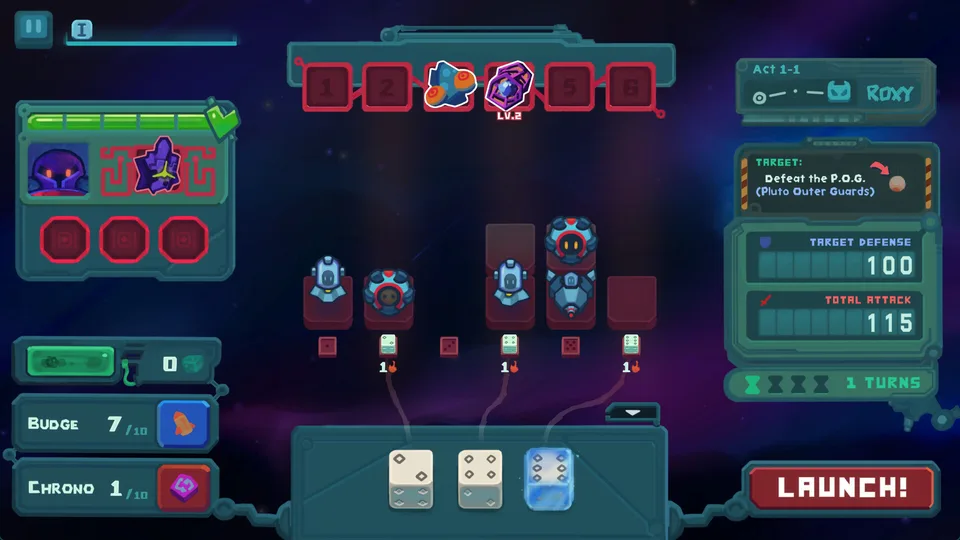
At its heart, this game is a dice-based roguelike deckbuilder. Unlike traditional deckbuilders that rely heavily on card combinations, your primary tools here are dice, which you must manipulate to your advantage. You are not simply rolling for luck; you are using specific resources to control the outcome.
Essential Resources for Success
Chrono: Use this to strategically reroll your dice or restock your shop to draft better units.
Budge: A vital tool used to adjust your dice values by +1 or -1, helping you hit specific targets or trigger synergies.
Mini Dice: These act as an automated currency that triggers when your primary dice supply runs out, potentially forming winning pairs on the grid.
Tip
Mastering Board Control
Strategic placement is more important than raw luck. Always prioritize aligning dice in pairs, triples, or quadruples to ignite devastating combos that can clear board challenges quickly.
Why Pivoting Strategy Matters
One of the most praised aspects of the game by the community is the "pivot" mechanic. Players are encouraged to adapt their builds throughout a run rather than sticking to a single rigid strategy from start to finish.
Comparison of Strategy Styles
Strategy Type
Pros
Cons
Static Build
Easy to learn early game
Struggles against late-game bosses
Adaptive (Pivot)
Higher win rate in late chapters
Requires deeper knowledge of items
Aggressive Scoring
Faster clear times
High risk of running out of resources
Community reports indicate that focusing on broad, adaptable builds often yields better results. For instance, holding onto artifacts that provide scaling buffs while keeping your shop rarity high through skipped turns allows you to pivot toward legendary items when needed.
Essential Tips for New Commanders
If you are just starting your journey, the learning curve might seem steep. The game is known for its depth, but you can overcome initial hurdles by focusing on fundamental mechanics.
Common Beginner Mistakes to Avoid
Ignoring Shop Rarity: Don't just buy what you see. Skip turns to increase your shop rarity and access more powerful, game-changing artifacts.
Mismanaging Budges: Avoid spending all your budges too early in a run. Save them for critical turns where you need a specific dice value to secure a combo.
Overlooking Commander Perks: Each commander offers unique synergies. Spend time learning your chosen commander's starter artifact and how it interacts with the current pool of items.
For more detailed guides on specific artifacts and perks, you can visit the Official Dicevaders Steam Page to access community-driven walkthroughs and strategy discussions.
FAQ: Frequently Asked Questions
Q: Where can I buy the game?
A: You can purchase it on Steam or via the Nintendo eShop. Check the official store links to ensure you are getting the full version of the game.
Q: Is the game hard for beginners?
A: While it has a high level of strategic depth, the mechanics are logical. By mastering the dice manipulation system and the pivot mechanic, even new players can succeed.
Q: Are there any plans for post-launch content?
A: Yes, the developers have confirmed they are working on post-release updates, including new difficulty modes and a roadmap for future content.
Q: What is the significance of the Dicevaders release date?
A: The launch date marks the beginning of a living game environment, meaning players should keep an eye on official forums and Discord for ongoing patches, balance changes, and new challenges.